
Our Products
Recent Projects

- Used in RMC,Pavement.
6 MM
Concrete Mixes: 6 mm aggregate is an essential component in concrete mixes. It is combined with cement, coarse aggregate, and water to create concrete with the desired strength, workability, and durability. The fine particles of the aggregate fill the voids between larger coarse aggregates, resulting in a more compact and cohesive concrete matrix.
Mortar: 6 mm aggregate is used in the production of mortar, which is a mixture of cement, sand (fine aggregate), and water. It is commonly used for masonry work, such as bricklaying, blockwork, and plastering. The fine sand particles help in achieving a smooth and workable mortar consistency.
- For flooring purpose.
10 MM
Concrete Mixes: 10 mm aggregate is a crucial component in concrete mixes. It is combined with cement, fine aggregate (such as sand), and water to create concrete. The coarse aggregate provides strength and stability to the concrete structure. It also helps in reducing the shrinkage and cracking of concrete.
Road Construction: 10 mm aggregate is commonly used in road construction. It is used as a base or sub-base material in the construction of roads, highways, and pavements. The coarse aggregate provides strength and stability to the road surface, enhancing its load-bearing capacity and durability.
- Used in RMC,Pavement.
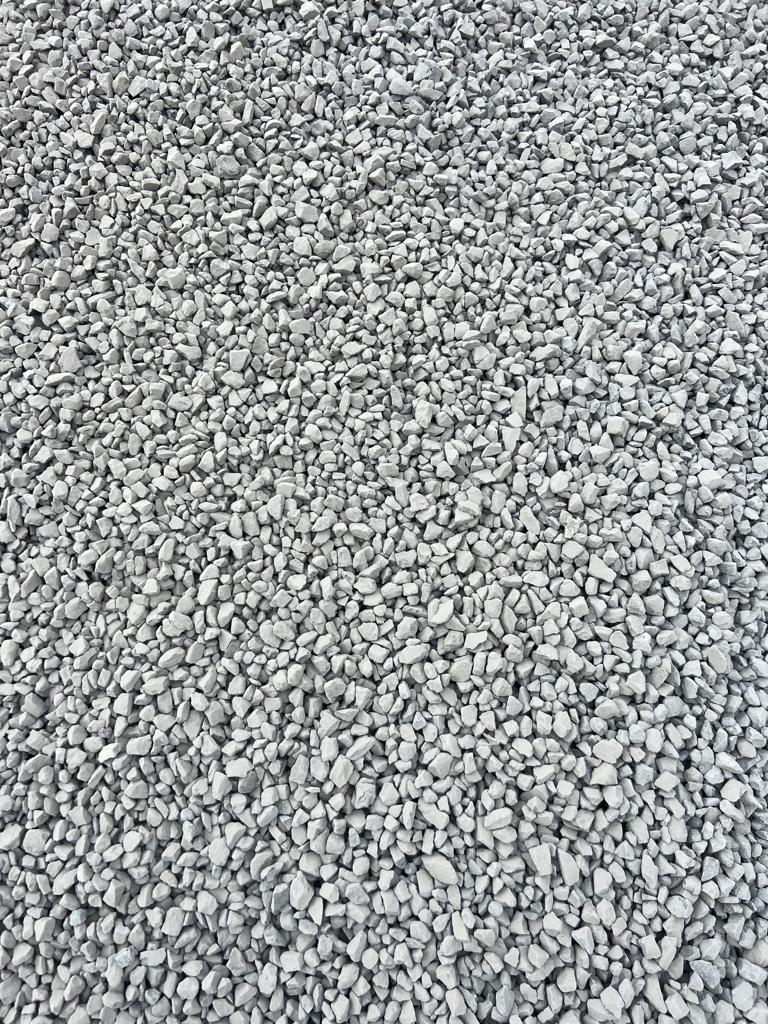
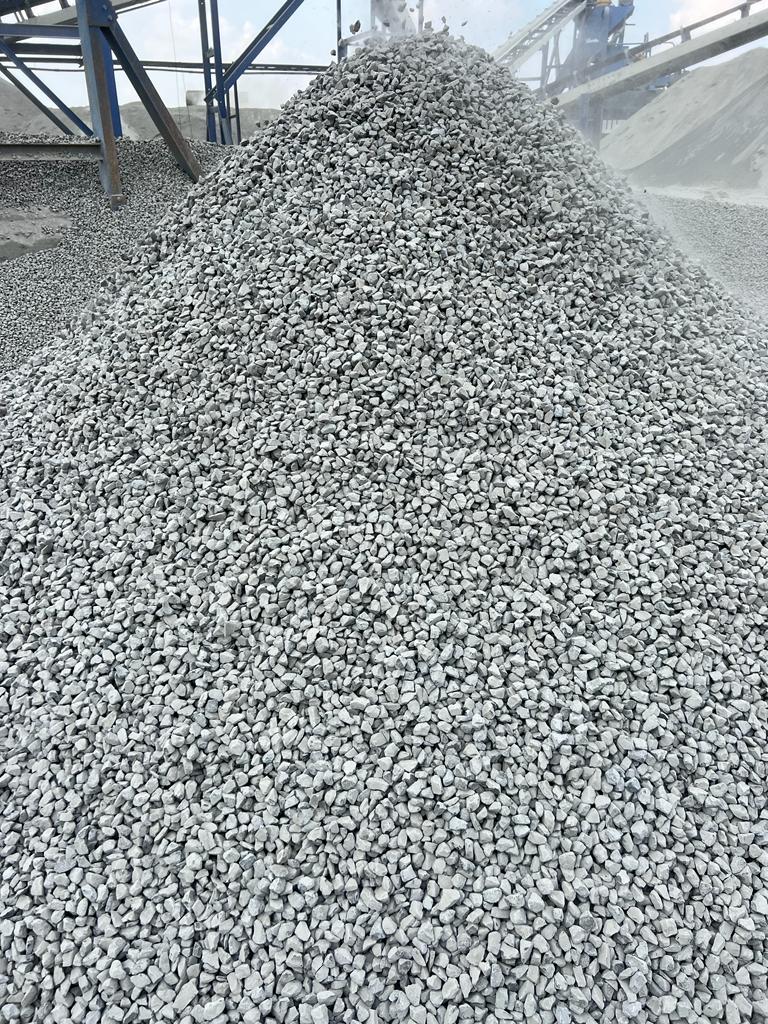
20 MM
Concrete Mixes: 20 mm aggregate is a key component in concrete mixes. It is combined with cement, fine aggregate (such as sand), and water to create concrete. The coarse aggregate provides strength, stability, and durability to the concrete. It helps in reducing shrinkage and cracking while enhancing the load-bearing capacity of the structure.
Road Construction: 20 mm aggregate is extensively used in road construction. It is used as a base or sub-base material in the construction of roads, highways, and pavements. The coarse aggregate provides strength and stability to the road surface, ensuring its load-bearing capacity and durability.
- Used in RCC Structure.
28 MM
Concrete Mixes: 28 mm aggregate is a crucial component in concrete mixes where a higher strength and larger aggregate size are required. It is combined with cement, fine aggregate (such as sand), and water to create concrete. The coarse aggregate provides strength, stability, and durability to the concrete.
Road Construction: 28 mm aggregate is frequently used in road construction for heavy-duty applications. It is used as a base or sub-base material in the construction of roads, highways, and pavements that need to withstand high traffic loads and provide stability. The larger aggregate size contributes to the strength and load-bearing capacity of the road surface.
- For preparing Concrete .
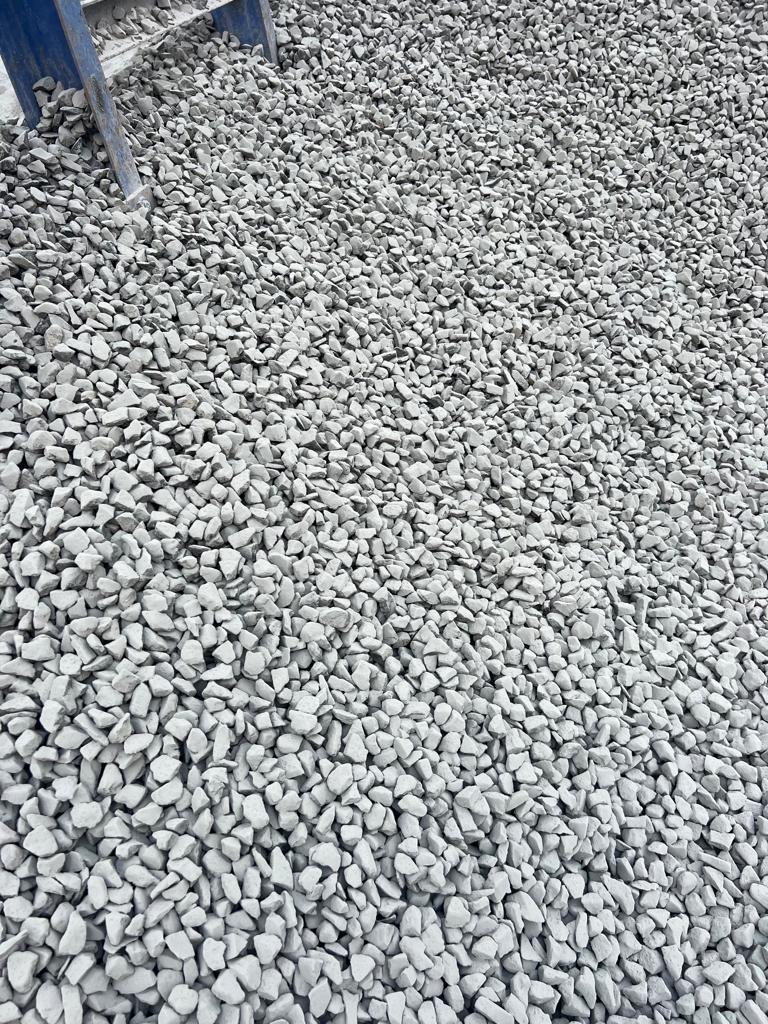
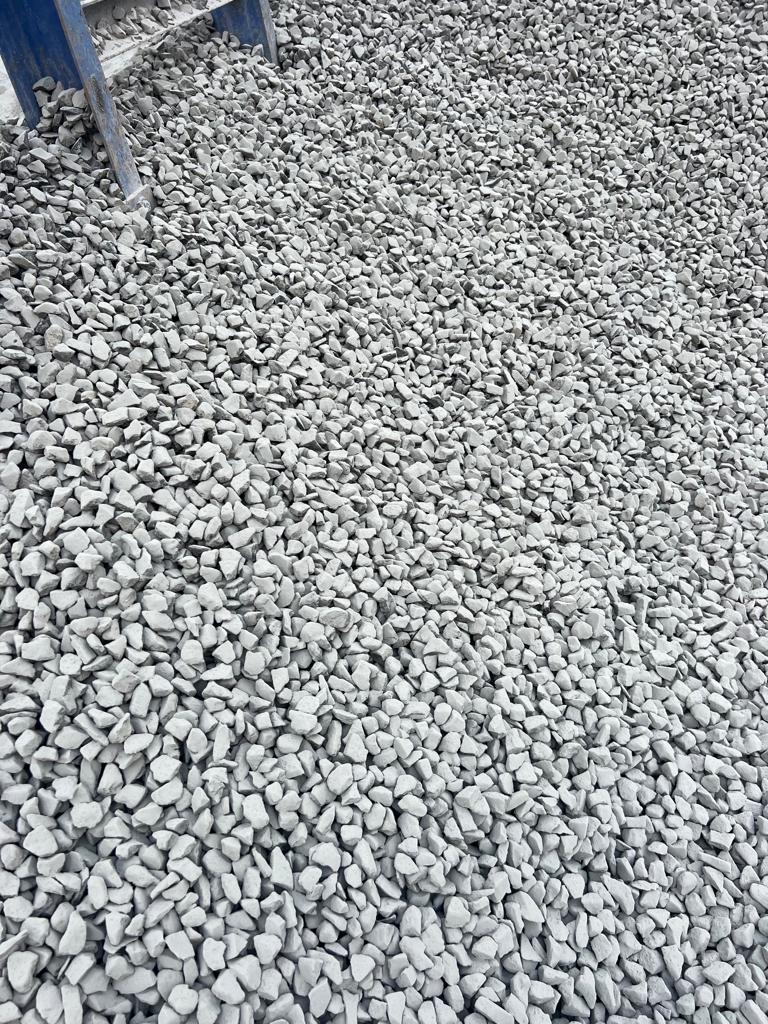
40 MM
Concrete Mixes: 40 mm aggregate is a key component in concrete mixes where a larger aggregate size is required. It is combined with cement, fine aggregate (such as sand), and water to create concrete. The coarse aggregate provides strength, stability, and durability to the concrete.
Road Construction: 40 mm aggregate is frequently used in road construction for heavy-duty applications. It is used as a base or sub-base material in the construction of roads, highways, and pavements that need to withstand high traffic loads and provide stability. The larger aggregate size contributes to the strength and load-bearing capacity of the road surface.
- In construction of Road
60 MM
Road Construction: 60 mm aggregate is used in road construction for heavy-duty applications. It is commonly used as a base or sub-base material in the construction of roads, highways, and pavements that need to withstand high traffic loads and provide stability. The larger aggregate size contributes to the strength and load-bearing capacity of the road surface.
Railway Ballast: Coarse aggregates, including 60 mm aggregate, are used as railway ballast. Ballast is placed beneath railway tracks to distribute the load of the trains and provide stability. The larger aggregate size helps in preventing track movement, deformation, and ensures proper drainage.
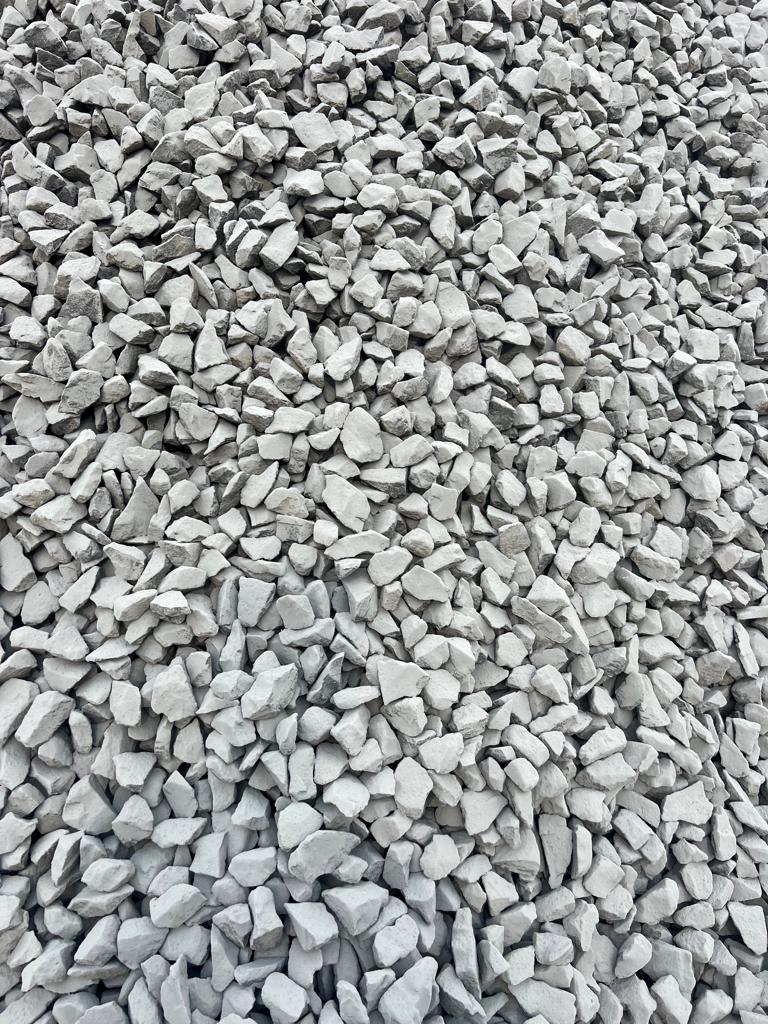
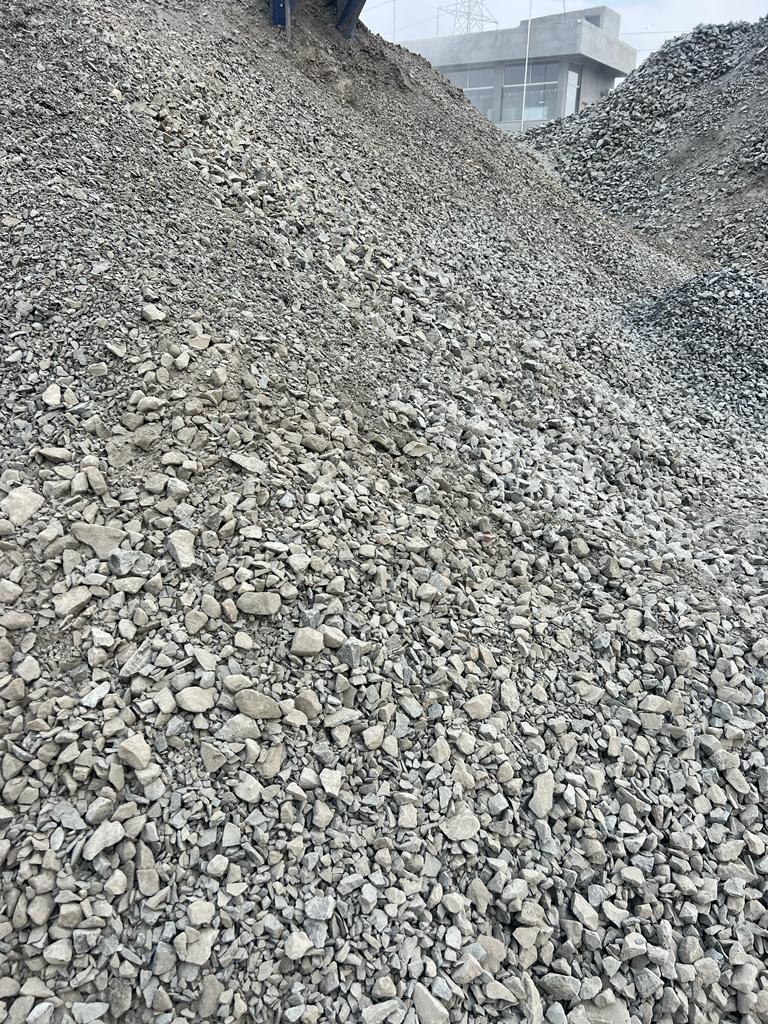
GSB
Sub-Base Material: GSB aggregate is primarily used as a sub-base material in road construction projects. It is placed beneath the base course layer and serves as a foundation for the road or pavement structure. The GSB aggregate layer helps in distributing the load of the traffic and providing stability to the road surface.
Road Rehabilitation: GSB aggregate is also used in road rehabilitation projects where the existing road surface needs to be repaired or improved. It is placed on the existing road subgrade to strengthen the base and provide a stable platform for the new road surface.
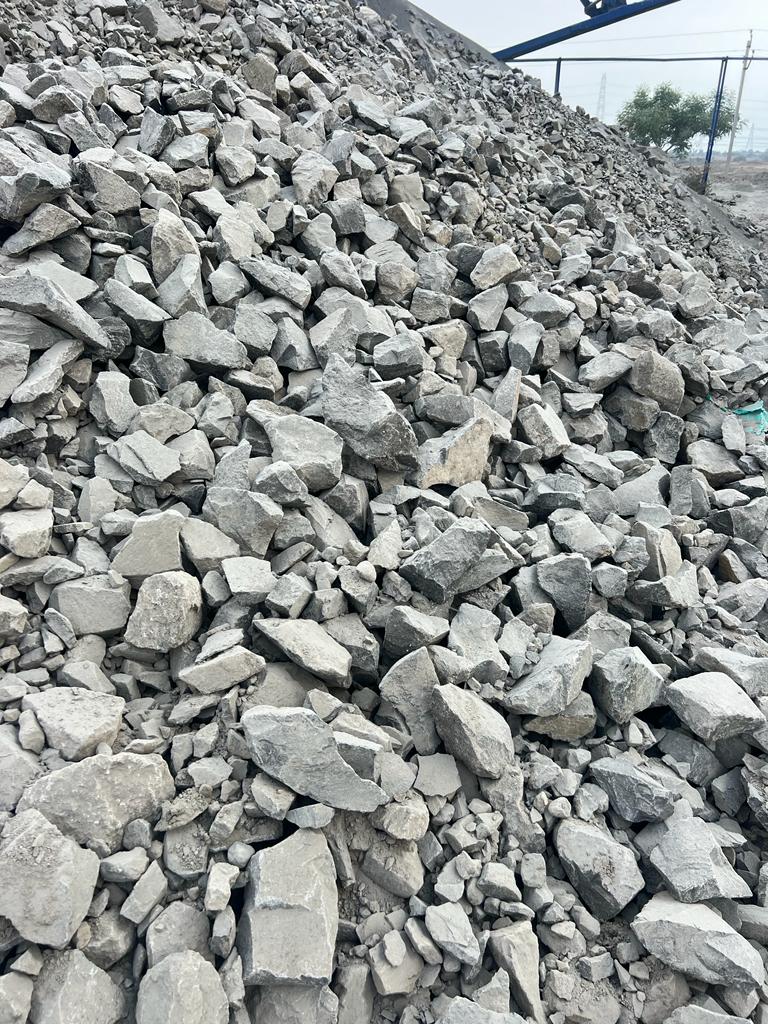
Soling
Foundation Construction: Soling aggregate is often used as a base material in the construction of foundations for buildings and structures. It provides a stable and load-bearing surface for the foundation to rest on, preventing settlement and ensuring the structural integrity of the building.
Road Construction: Soling aggregate is used in road construction as a base material for the road surface. It helps in providing stability and strength to the road, especially in areas with poor soil conditions. The soling aggregate layer serves as a foundation for the subsequent layers of the road structure.
Railway Ballast: Coarse aggregates, including 60 mm aggregate, are used as railway ballast. Ballast is placed beneath railway tracks to distribute the load of the trains and provide stability. The larger aggregate size helps in preventing track movement, deformation, and ensures proper drainage.
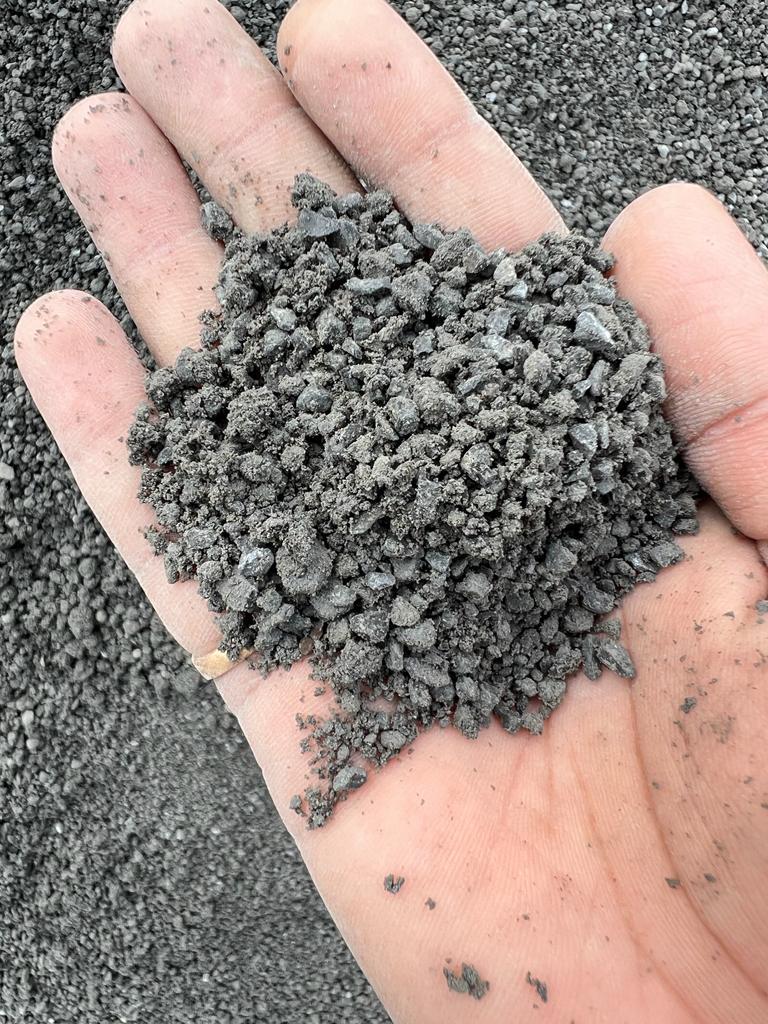
Crushed Sand
Concrete Production: Crushed sand aggregate is extensively used as a fine aggregate in the production of concrete. It provides the required strength and durability to the concrete mixture. The angular and rough texture of crushed sand helps in improving the bond between the aggregate and cement paste, resulting in a stronger and more cohesive concrete.
Masonry Work: Crushed sand aggregate is often used in masonry work, such as bricklaying and blockwork. It is used as a bedding material for bricks or blocks, providing a stable and level surface for the construction of walls, columns, and other masonry structures.
Road Rehabilitation: GSB aggregate is also used in road rehabilitation projects where the existing road surface needs to be repaired or improved. It is placed on the existing road subgrade to strengthen the base and provide a stable platform for the new road surface.
P-sand
Foundation Construction: Soling aggregate is often used as a base material in the construction of foundations for buildings and structures. It provides a stable and load-bearing surface for the foundation to rest on, preventing settlement and ensuring the structural integrity of the building.
Road Construction: Soling aggregate is used in road construction as a base material for the road surface. It helps in providing stability and strength to the road, especially in areas with poor soil conditions. The soling aggregate layer serves as a foundation for the subsequent layers of the road structure.
Railway Ballast: Coarse aggregates, including 60 mm aggregate, are used as railway ballast. Ballast is placed beneath railway tracks to distribute the load of the trains and provide stability. The larger aggregate size helps in preventing track movement, deformation, and ensures proper drainage.
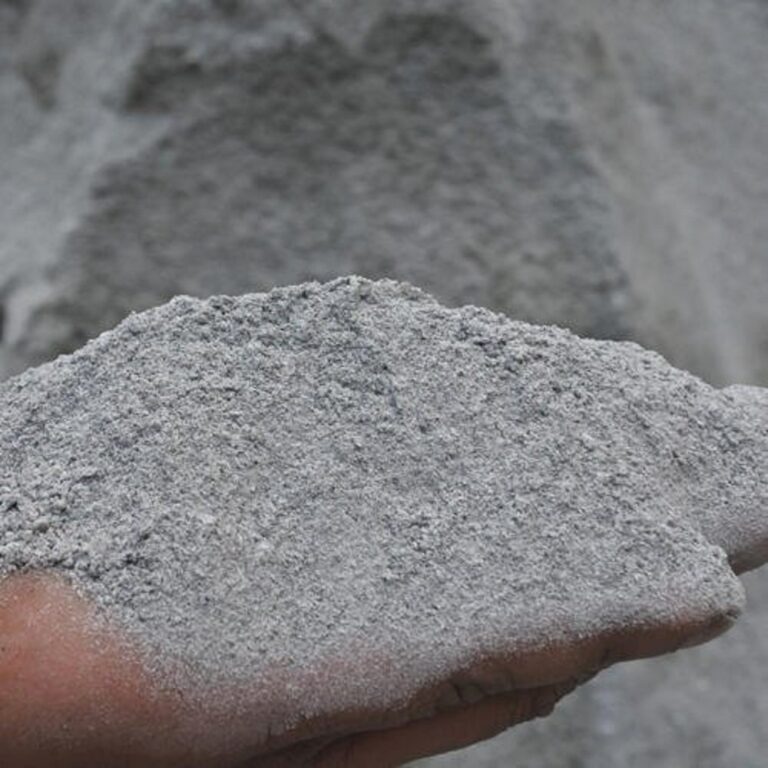
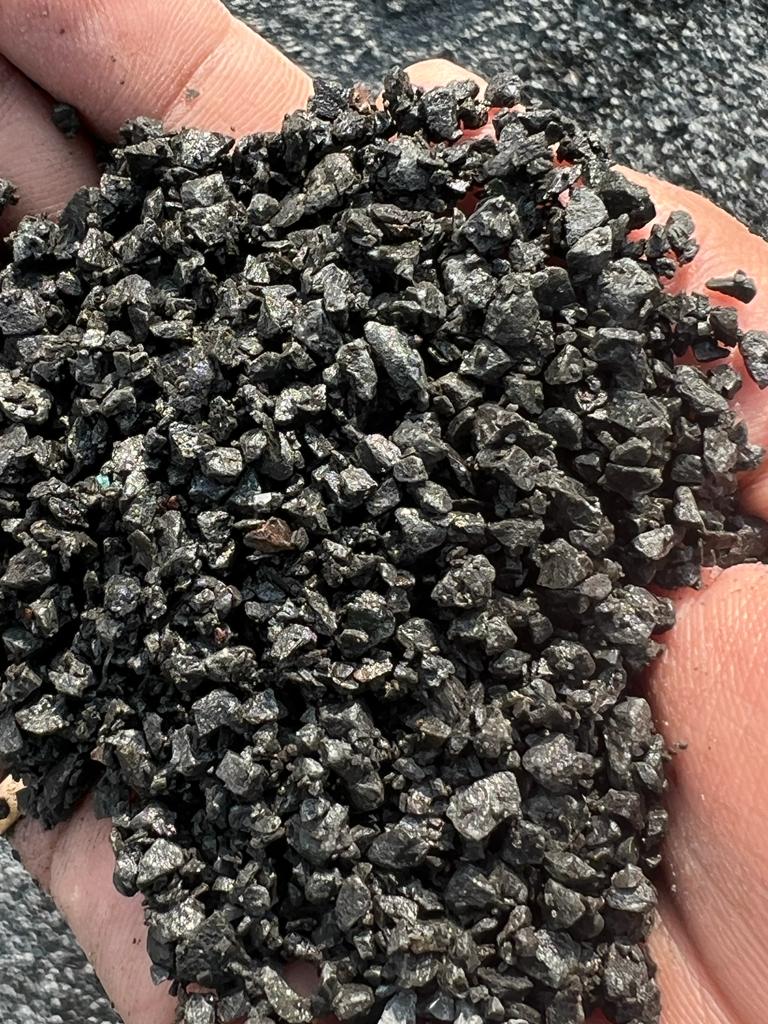
M-Sand
Fine Aggregate Replacement: M-sand is commonly used as a replacement for natural river sand as a fine aggregate in concrete production. It possesses similar properties to natural sand and can effectively fulfill the role of fine aggregate in concrete mixes.
Improved Workability: M-sand has a consistent particle size and shape, which helps enhance the workability of concrete. It provides better cohesiveness, reduces segregation, and allows for easier placement and compaction.